Vinero
  • Work
  • About
Product Management/Strategy/Direction

Improving new hire onboarding at a Fortune 500 electric utility

Starting a new job comes with a lot of stress. New systems to learn, new routines to get into, and new expectations to adjust. I set out to make this transition a lot easier on our new hires by listening to the challenges they face and making the solutions meaningful.

My role was leading a team of ux designers, content writers, and researchers and identifying opportunities and solutions. I defined a vision and strategy for improving the onboarding program and and formed a committee of stakeholders from different departments while providing bi-weekly status updates to our executive sponsor.
Audience
New hires and hiring managers

Goals
Access to tools and facilities, reduce number of help desk calls, increase feeling welcomed and excited to work at the company, and supervisors should feel more prepared to onboard new hires.

Metrics & Results
After a year of rolling out targeted solutions, the following were measured:
• 28% increase in all new hires having access to all relevant tools and facilities day one
• 9% increase in new hires having one or fewer calls to the help desk in their first week
• 6% increase in new hires feeling welcomed and excited to work at the company
• 17% increase in supervisors feeling more prepared to onboard new hires

Timeline
1 year


Design Strategy


To be most effective, I adopted a Lean UX approach for our team’s way of working. I found it allowed us to be more nimble. The team consisted of 3 content designers, 2 ux designers, a researcher, a project manager, and 2 service designers.

As the team lead, I wrote our charter which defined our problem statement, goals, approach, how we measure success, and our timeline. Part of our deliverables were biweekly demos to executive team to keep them informed and to gather feedback.


Research & Discovery


New Hire Survey
This is where we started gathering insights directly from our new hires. We sent an email survey with 12 key questions to all new hires. If we didn't hear back from them, a follow up was sent. These answers helped us determine where the issues are within the onboarding process.

User Interviews
I interviewed 3-5 new hires every 2 week sprint for the duration of the project. In addition to collecting insights, I was also building connections with new employees which allowed hte conversations to be more candid and helped me empathize.

Weekly conversations with the CIO
Some of the issues with onboarding were exclusively reported to the executive level, so it was a top priority to make time for discovery during our demos.

Journey map
The journey map was used to plot our users’ pain points and to help illustrate the onboarding challenges to get buy in from our executive sponsor.
Service Blueprint
The process was also mapped in a service blueprint to discover more opportunities and to help stakeholders from other teams see how they can help improve onboarding.

Impact Matrix
To get the project kicked off, I created an impact matrix to show the overlap between the business and user impact and to guide our pain point prioritization. This was based on the journey map.

Design Solutions


After understanding the challenges, we tackled themaccourding to how they were prioritized in the impact matrix. High impact, low effort opportunities were tackled first.

Day One Guide
There was always a guide sent out with a laptop to new hires. Turns out it was incomplete and not very clear. It was intended to help new employees get their computer, account, and security set up. Based on feedback we got from user interviews, we heavily revised and rewrote this guide for clarity. This was tested multiple times with users before sending out the revised version.

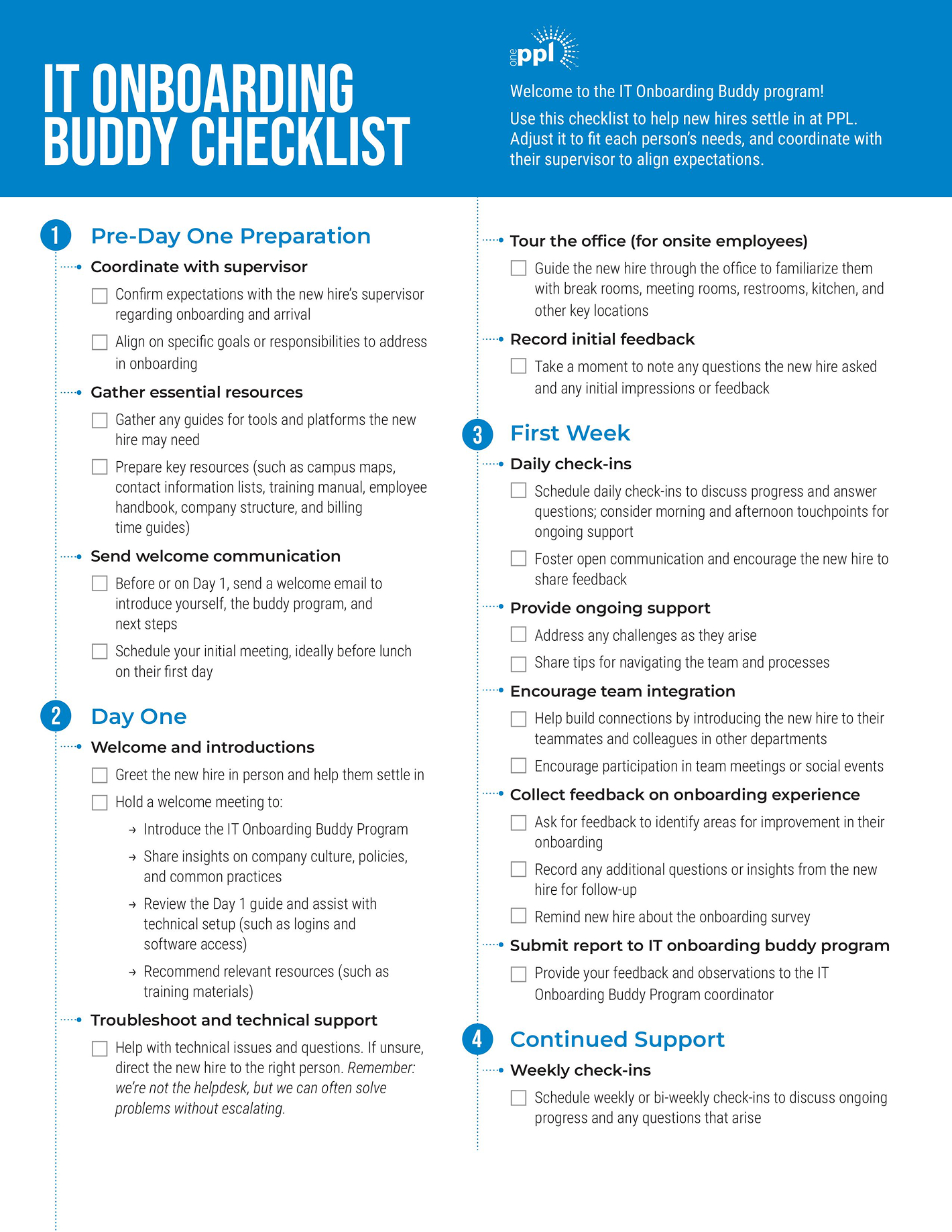
Peer Sponsor Program
An unsuccessful and unused Peer Sponsor Program existed at the electric utility, but we wanted to pilot a new version within the IT team before rolling it out company wide. Our program paired educated veteran employees with new hires to help them navigate their first 30+ days and to take some pressure off hiring managers. This helps keep the new employee excited and increases new hire retention.

New Hire Swag
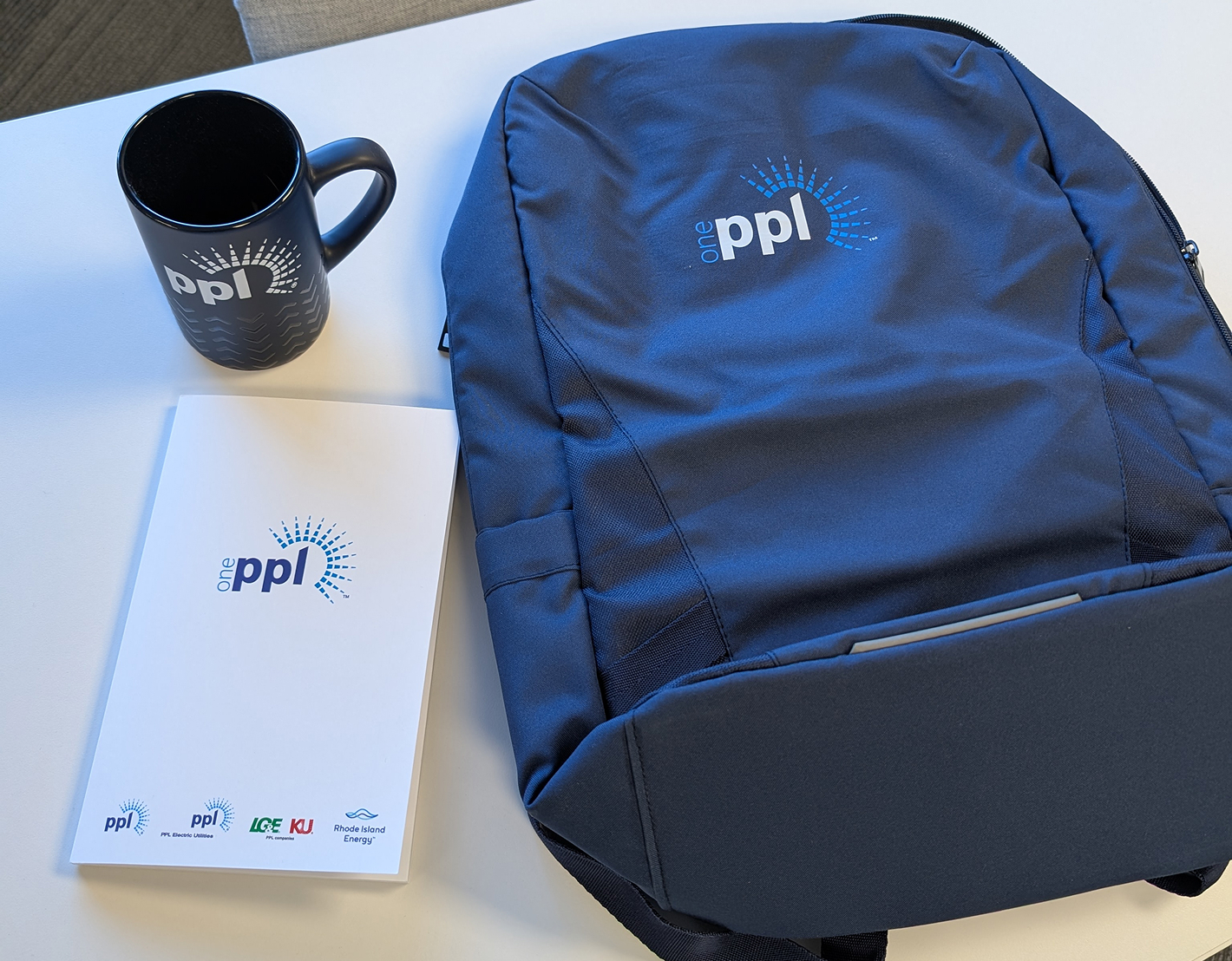
To show our enthusiasm for new hires and to let them know we appreciate them, I wrote a proposal to secure a swag budget from the executive team. I requested enough to spend $100 per new hire for the rest of the year. After my presentation, I was granted a budget of $25,000 and mugs, bags, notebooks, and gift cards were designed and ordered and handed out to new employees.

Contractor Onboarding
Hiring contractors has always been a slow process at the electric utility, but hiring teams lacked the support to make improvements. After our service designers created a service map for the contractor onboarding process, we got a better understanding of the roadblocks keeping us from bringing in contractors in a timely manner.

Following this map, we presented a proposal to our stakeholders with actionable opportunities while also outlining potential business benefits of our improvements.

Other Solutions
All of the work we did had a big impact, but some was done in smaller, lighter lifts. The low hanging fruit according to the impact matrix. These included key email communications to supervisors, emails to new hires with password guidance, and an onboarding checklist. Much of this work was completed with a partnership with human resources.

Next Steps


These solutions were developed and rolled out to users. But this was just a first pass at the easy to implement, highest impact opportunities. The effectiveness of these changes is continuously being measured and being prioritized against other areas of improvement according to our impact matrix. If needed, these pain points will be revisited and the solutions iterated upon.
View All Work
Vinero
  • Work
  • About